GEOTECHNICAL ENGINEERING
MEMPHIS
HomeIn-SituField density test (sand cone method)

Field Density Testing in Memphis – Sand Cone Method for Earthwork QA

Technical studies that support your project.

LEARN MORE

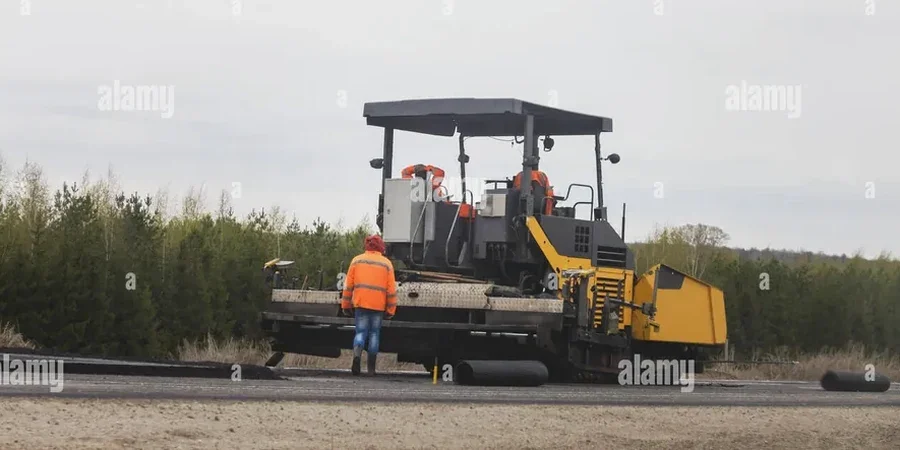
A warehouse expansion off I-240 had subgrade rejection because the proof roll left ruts. The contractor was losing a day per delay. We mobilized a field density crew to the Memphis site the next morning. Sand cone testing per ASTM D1556 identified four soft zones in the building pad. The earthwork subcontractor recompacted those areas, retested, and passed the inspection before noon. In Memphis, where alluvial soils and variable fill make compaction unpredictable, the sand cone density test gives you a direct measurement of in-place unit weight. No nuclear gauge calibration issues. No assumptions about material composition. Just a physical measurement that holds up when the independent testing lab checks your lift. We run these tests daily across Shelby County, from subdivision pads to detention basin berms.

Sand cone density gives you a physical volume measurement. No calibration drift, no source decay, no guesswork.
Our service areas

Scope of work

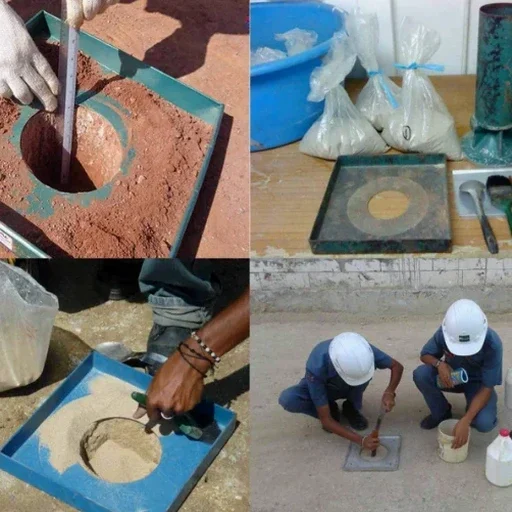
Memphis sits on Mississippi River alluvium and loess deposits. Elevation ranges from 195 to 335 feet across the metro area, and the water table is high in the bottomlands. These conditions create fill soils with erratic moisture-density relationships. A standard Proctor curve from borrow material does not always match what the scraper places. That is why field density verification matters. The sand cone method uses calibrated Ottawa sand to measure the exact volume of the test hole. You weigh the excavated soil, compute wet density, and correct for moisture in our lab. The result is a dry density number you can compare directly to the laboratory maximum from ASTM D698 or D1557. For deeper verification, our crews also run SPT drilling to check bearing capacity below the compacted fill, giving the geotechnical engineer a complete picture of the subsurface.
Field Density Testing in Memphis – Sand Cone Method for Earthwork QA
Technical reference — Memphis

Area-specific notes

Though a sand cone kit appears basic—a plastic jug, a metal base plate, and a calibrated funnel—the true challenge lies in its proper use. The technician must excavate a clean hole without disturbing the sidewalls. If loose sand remains at the hole's bottom, the volume measurement becomes inaccurate. During Memphis summers, rapid moisture loss from the extracted soil can compromise dry density calculations. Our field teams use sealed sample containers and perform immediate microwave moisture tests. Nearby compaction equipment vibrations can also interfere with the test. ASTM D1556 mandates isolating the base plate from ground vibrations. We note such conditions in the daily report so engineers view the complete scenario, not just a numerical value.

Need a geotechnical assessment?

Reply within 24h.

Email: contact@geotechnicalengineering1.org

Watch how it works


Standards used

ASTM D1556, AASHTO T-191, ASTM D698, ASTM D1557, ASTM D2216

Reference parameters


ParameterTypical value
Test standardASTM D1556 / AASHTO T-191
Sand typeCalibrated Ottawa 20-30 sand
Test depth rangeSurface to 12 inches typical
Minimum test hole volumePer ASTM Table 1 based on max particle size
Moisture content methodASTM D2216 oven-dry or D4643 microwave
ReportingWet density, dry density, % compaction, moisture

Top questions

How much does a sand cone density test cost in Memphis?

A typical ASTM D1556 test in the Memphis area costs between $110 and $130. The final price depends on travel distance and the daily test volume. Conducting multiple tests in a single day lowers the cost per test.

How long does a sand cone test take on site?

Conducting a single test takes roughly 15 to 20 minutes from setup to bagging the sample. If the technician uses the microwave method for moisture content, dry density and percent compaction can be reported within 30 minutes after completing the hole. Performing multiple tests across a pad requires extra time due to layout and moving the base plate.

Is the sand cone method accepted by Shelby County inspectors?

Yes. When nuclear gauge results are questionable or the specification requires direct volume measurement, ASTM D1556 is the standard method. Local geotechnical firms and the county building department accept sand cone reports as primary compaction documentation.

Location and service area

We serve projects across Memphis and surrounding areas.

View larger map