GEOTECHNICAL ENGINEERING
MEMPHIS
HomeIn-SituField permeability test (Lefranc/Lugeon)

Field Permeability Testing (Lefranc & Lugeon) in Memphis

Technical studies that support your project.

LEARN MORE

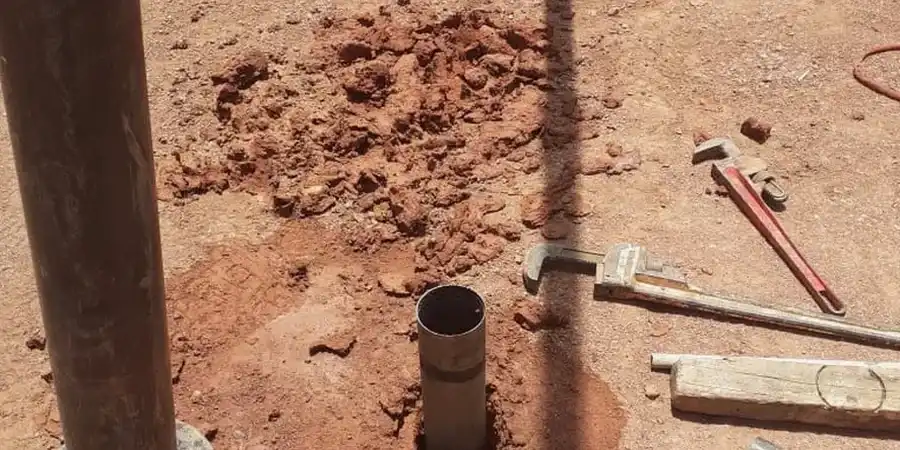
Around Memphis, the subsurface never quite matches what you expect from the surface. The city sits on a thick sequence of Mississippi Embayment sediments—loess bluffs east of downtown, alluvial terraces along the Wolf and Mississippi rivers, and deep sand layers that can hold surprising amounts of water. When a geotech report calls for a coefficient of permeability from the field rather than remolded lab samples, the team runs in-situ Lefranc tests in boreholes or Lugeon tests in rock sockets. The high water table common across Shelby County, often just 10 to 15 feet down on the floodplain, makes these measurements critical for dewatering design and cutoff wall verification. Many local firms combine a field permeability campaign with grain-size analysis to correlate k-values from Hazen with the direct measurements, and the piles team uses the data to finalize shaft grouting volumes near the Mississippi River bridges.

A single Lugeon stage in fractured Fort Pillow Sand often reveals more about flow paths than a dozen lab permeameter runs.
Our service areas

Scope of work

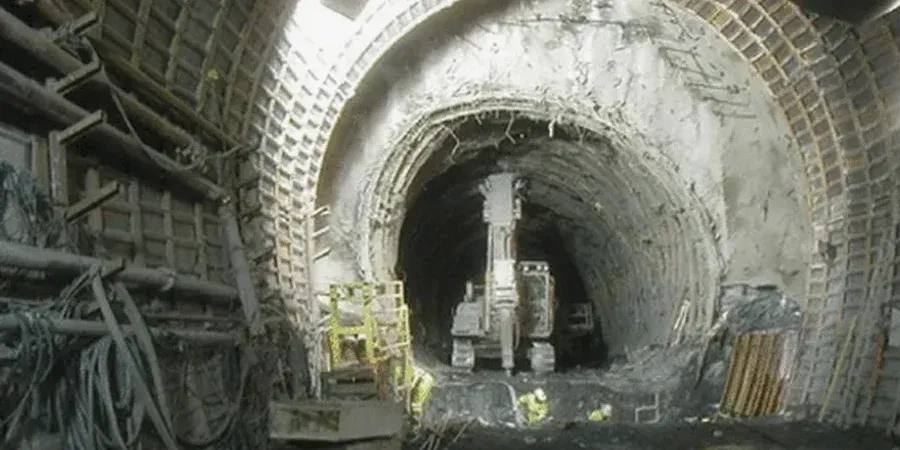
The geology here demands a flexible approach. Where the loess mantles the uplands east of Germantown Parkway, a falling-head Lefranc test inside a cased borehole isolates the silty material above the water table. Closer to the river, the Jackson Formation and younger alluvium require constant-head setups once the filter section saturates. Lugeon testing comes into play whenever a project hits the Fort Pillow Sand or the underlying Paleozoic limestone at depth—the deep stormwater tunnels under the city encountered these units and relied on packer tests to map fracture connectivity. ASTM D6391 governs the procedure for packer-based permeability in rock, and the team follows it rigorously. Before breaking ground on a deep excavation near the bluffs, many contractors also request slope-stability analysis, since lateral seepage into the loess can trigger sloughing within hours of cutting.
Field Permeability Testing (Lefranc & Lugeon) in Memphis
Technical reference — Memphis

Area-specific notes

A frequent error on Memphis assignments involves regarding the alluvial aquifer as uniform and forgoing on-site permeability measurements in favor of book-derived data. The Mississippi River alluvium includes intermittent clay strata and former river channel sands that establish preferential flow routes that cannot be foreseen solely from drilling logs. Dewatering systems engineered lacking measured k-values either fail to perform adequately, leaving the excavation flooded after a spring downpour, or extract too much fine sand resulting in ground loss behind adjacent sheet piles. The IBC requires a site-specific geotechnical study, and local drainage regulations demand verified permeability for any lasting dewatering system. Executing several Lefranc tests at varying depths within the same borehole costs a small portion of what a dewatering failure would, and it keeps the project timeline on track when the Wolf River begins to swell.

Need a geotechnical assessment?

Reply within 24h.

Email: contact@geotechnicalengineering1.org

Standards used


Three standards are relevant: ASTM D6391-11 for field hydraulic conductivity measurement via borehole infiltration, ASTM D2487-17 for soil classification, and AASHTO R 13 for conducting geotechnical subsurface investigations.

Reference parameters

ParameterTypical value
Test standard (soil)ASTM D6391, variable-head method
Test standard (rock)ASTM D6391, pressure-packer method
Typical tested depth10 to 150 ft below grade
Borehole diameterNQ to PQ, or 4-in rotary open hole
Measurement range10⁻⁵ to 10⁻¹ cm/s
Reporting unitLugeon value (Lu) or cm/s
Packer typeSingle or double pneumatic
Tested formationsLoess, alluvium, Fort Pillow Sand, limestone

Top questions


What does a Lefranc or Lugeon test cost in the Memphis area?

For a single borehole with two to three test intervals, anticipate costs ranging from US$640 to US$1,080. The ultimate price hinges on depth, number of stages, and whether a drill rig is already present on site. Bringing in a rig exclusively for permeability work increases expense, so most clients combine the tests with an SPT or rock coring program.

When does a project need a Lugeon test instead of a Lefranc test?

Lugeon tests are designed for fractured rock formations. When the boring encounters cemented zones in the Fort Pillow Sand or the underlying limestone, a packer test isolates a specific interval to measure hydraulic conductivity under pressure. Conversely, Lefranc tests are used in soil or very soft rock where the borehole wall can be cased without needing a packer.

How long does a field permeability test take on site?

A single Lefranc stage typically requires 30 to 60 minutes after borehole preparation; a five-pressure Lugeon stage takes roughly 90 minutes. Generally, Memphis projects accomplish three to five test intervals in one day, provided the drill crew efficiently coordinates casing and packer placement.

Can the test results be used directly for dewatering design?

Absolutely. The measured k-value is directly input into well-point or deep-well dewatering calculations. Given the stratified alluvium near the Mississippi River, we advise testing at multiple depths within a single boring to highlight the difference between silty clay lenses and clean sand channels.

Location and service area

We serve projects across Memphis and surrounding areas.

View larger map